Japan opened a joint research call to define the on-board unit that succeeds ETC 2.0
The transport ministry's research institute asked for partners to write service and requirements definitions for next-generation ITS services deployable in the 2030s, built on a new on-board unit improved from the ETC 2.0 device and required to work with a smartphone.
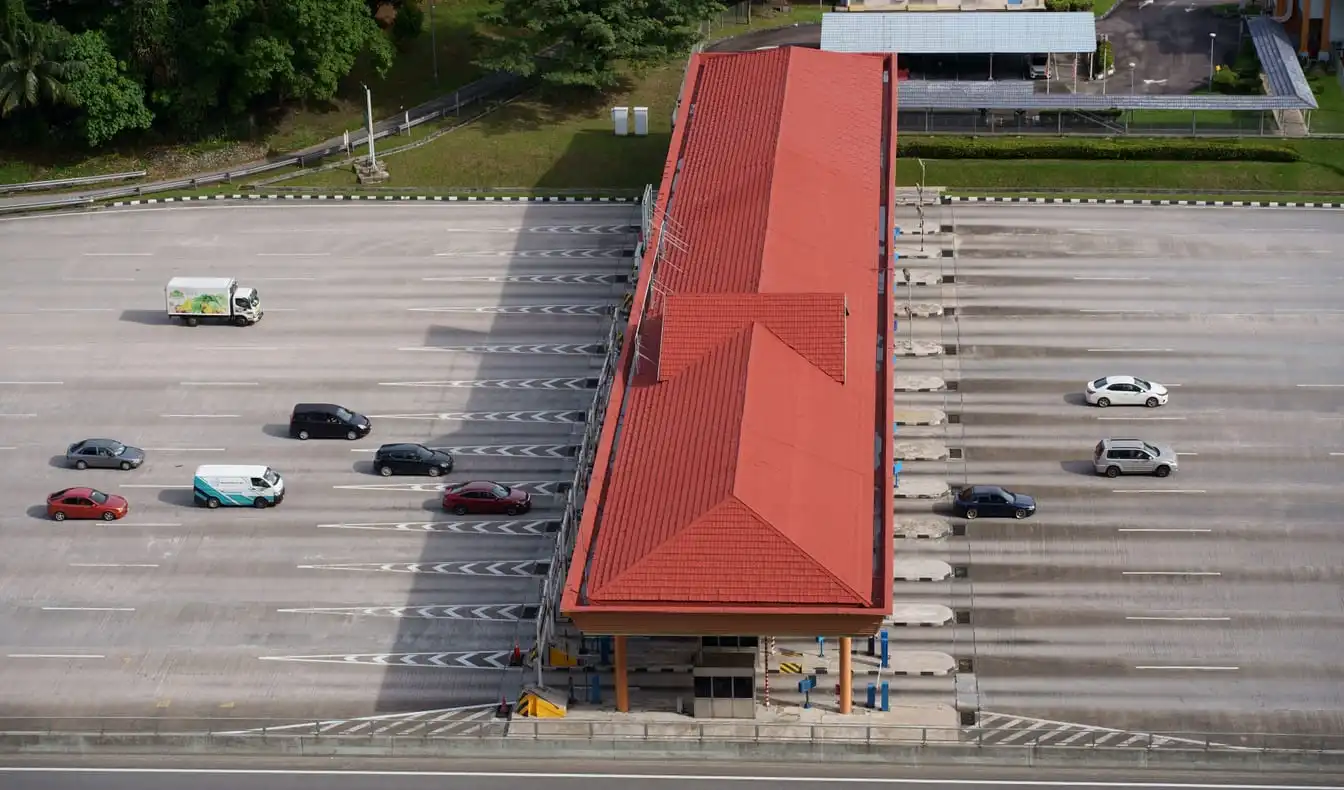
Japan’s National Institute for Land and Infrastructure Management opened a call on October 2 for partners to join joint research on next-generation intelligent transport system services, in a notice issued with the Road Bureau’s road traffic management division. The application period runs to November 6, an agreement was planned for December 2026, and the work would run to March 31, 2029.
The notice set out two research items. The first is to review existing work, devise next-generation ITS services deployable in the 2030s, select which of them the research will cover, and produce a service definition document and a requirements definition document. The institute said the services selected for that work must presuppose a link between the on-board unit and a smartphone. The second item is to compile the requirements for the system that would deliver those services — on-board unit, smartphone and server — into draft technical documents, then verify the system’s feasibility through a demonstration experiment before finalizing them.
The institute defined a next-generation ITS service as one aimed at the 2030s, delivered by a system whose basic element is a new on-board unit improved from the ETC 2.0 device, and usable by more people on more occasions than ETC 2.0 allows. A footnote said that once the research ended, a specification for the new on-board unit was to be drafted within fiscal 2029.
The notice cited rapid advances in automated driving, information processing including AI, and high-speed communications equipment. It said demand for information delivered to vehicles was diversifying, naming real-time information for automated vehicles and information in places where no roadside units are installed, and that the accuracy, real-time behavior and volume of ETC 2.0 probe data needed to improve.
Each participant funds its own share of the work, and the institute said it cannot pay a joint researcher.
Source: Ministry of Land, Infrastructure, Transport and Tourism