GM put a single central computer and zonal hubs at the heart of its 2028 vehicles
At its GM Forward event in New York, General Motors described a propulsion-agnostic electrical architecture that consolidates perception, propulsion, active safety and chassis control onto one central compute unit, debuting on the 2028 Cadillac Escalade IQ before moving into its highest-volume trucks and SUVs.
General Motors set out a new vehicle electrical architecture at its GM Forward event in New York on October 21, built around what it called a single, high-speed Central Compute Unit.
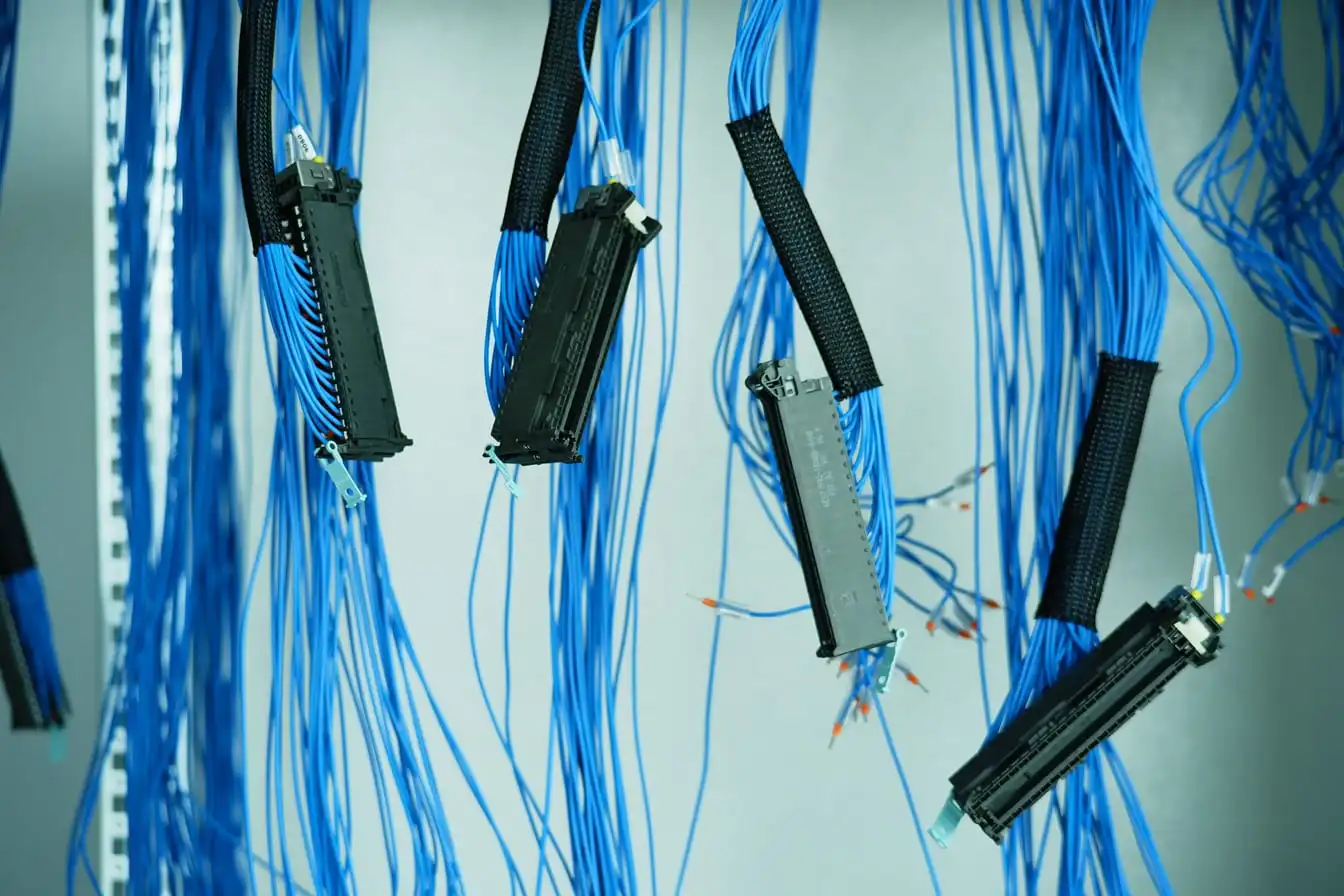
The company said the architecture decouples software from physical hardware and consolidates components such as perception, propulsion, active safety and chassis controls onto that one unit, and that it is propulsion-agnostic. Against its previous systems, GM put the gains at 40 times more computing power, 30 percent less wiring length and mass, and up to 50 percent faster cellular connectivity. A photo caption described the unit as in-house-designed; no silicon supplier was named.
The zonal architecture around it was described not here but in a separate release the company issued the same day on its personal autonomy work. That release calls the central computer liquid-cooled, and says regional zonal hubs replace vehicle-spanning wiring harnesses by aggregating sensors and actuators into a data backbone connected by high-speed Ethernet, supporting 36 times more data than previous systems.
The platform is to debut on the 2028 Cadillac Escalade IQ. GM said it would then roll it out across its highest-volume gas-powered full-size SUVs and trucks, its three-row crossovers and its fourth-generation electric vehicles, and called the breadth of that rollout one of the industry’s largest multi-segment introductions of software-defined vehicles.
The autonomy release carries the reuse argument: rather than re-engineering systems for every trim and body style, improvements validated on one model can be deployed across the portfolio through frequent over-the-air updates. The GM Forward page separately said the company is working to cut the traditional four-to-five-year vehicle development timeline in half.
The figures are GM’s own and stated against its existing systems. The GM Forward page carries an editor’s note calling it an edited transcript of the mainstage remarks.
Source: GM Newsroom